33,712 views
Mar 1, 2026
#HiddenHistory #SustainableLiving #OffGrid
This pipe can heat all your hot water for free forever No gas No electricity No moving parts In 1891 Clarence Kemp patented a rooftop solar water heater that spread across the United States By 1941 over a million American homes were using the sun to heat their water In places like Miami Beach solar heaters were not an experiment they were standard infrastructure
In this video we uncover how the thermosiphon system works and why it requires zero pumps or electronics Simple physics hot water rises and cold water falls That is enough to circulate water through a collector and storage tank all day powered only by sunlight We look at pioneers like William Bailey who refined the design and helped solar water heating dominate parts of Florida and California for decades
Then natural gas pipelines arrived Utility companies introduced below cost pricing and contractor incentive programs that shifted recommendations away from solar A system that produces no monthly bill could not compete with a model built on recurring revenue The industry did not need to make solar illegal It only needed to make it disappear from memory
While the United States forgot other countries made different decisions Israel required solar water heating in new residential buildings and reached around ninety percent adoption China scaled manufacturing so aggressively that complete systems now cost only a few hundred dollars Millions of households heat water every day without paying a utility for it
We break down the real numbers the real physics and the real financial incentives behind why this technology vanished from mainstream construction The sun has not changed The physics has not changed Only the billing model did
Chapters
00:00 The 1891 Invention That Solved Hot Water
02:24 How the Thermosiphon System Works
06:56 One Million Homes Running on Sunlight
11:48 The Pipeline That Changed Everything
16:09 The 1970s Revival and Second Collapse
18:01 The Country That Made Solar Mandatory
21:35 Build Your Own for a Few Hundred Dollars
24:34 Why It Was Forgotten and Why It Matters
#SolarEnergy #EnergyIndependence #SustainableLiving #HiddenHistory #OffGrid
Create a detailed outline of this video? What is the timeline of events? What are the pros and cons of solar heated water? What are the steps to building a water solar heating systems?
Here is a structured outline and answers to your three sub‑questions.
Detailed outline of the video
-
1891 invention and core claim (0:00–2:24)
-
Clarence Kemp, a Baltimore heating contractor, patents the “Climax” rooftop solar water heater in 1891: a black metal tank in a glazed box, roof‑mounted, no fuel, no moving parts.
-
By 1941 about 1 million U.S. homes use solar water heaters, with Miami Beach reaching ~80% of single‑family homes.
-
The video states your hot‑water bill exists because this system was displaced by utility economics, not physics.
-
-
How the thermosiphon system works (2:24–6:56)
-
Describes Kemp’s original batch heater limitation: exposed tank loses heat overnight.
-
William Bailey (Carnegie steel engineer) in 1909 separates collector and insulated storage tank, placing tank above the flat‑plate collector.
-
Explains thermosiphon: hot water is less dense, rises from collector to top of tank; cooler water falls from tank bottom into collector; circulation continues whenever sun hits the collector.
-
Notes Bailey sells ~4,000 systems in California by 1920, before mass media, showing strong early market acceptance.
-
-
One million homes running on sunlight (6:56–11:48)
-
Context: Florida has no gas fields; imported fuel oil is expensive; electricity is unreliable and costly.
-
Solar water heating becomes the cheapest option; prices for simple batch heaters fall to $10–$15 by 1930.
-
By 1941, ~1 million U.S. homes (especially in FL, southern CA, AZ) have solar heaters; Miami Beach ~80% penetration, treated as normal infrastructure.
-
The video emphasizes the system still works; what changed was the energy business model.
-
-
The pipeline that changed everything (11:48–16:09)
-
1954: Florida Gas Transmission starts building a pipeline from Gulf Coast gas fields to Florida, completed to Miami by 1959.
-
Gas utilities use below‑cost introductory pricing to lock in 40‑year customer relationships, justifying short‑term losses.
-
Contractor incentive programs pay plumbers rebates and bonuses to recommend gas heaters instead of solar; solar has no recurring revenue and cannot fund similar incentives.
-
Culture campaigns (“Total Electric Home”, “Gas Makes Life Better”) frame gas/electric as modern and solar as poor/old‑fashioned.
-
By ~1960 the Florida solar water‑heating industry has collapsed; existing systems age out and are replaced by gas.
-
-
1970s revival and second collapse (16:09–18:01)
-
1973 oil crisis sparks renewed interest; President Carter installs solar thermal panels on the White House and passes tax credits.
-
A second wave of U.S. solar water‑heating firms appears, but is heavily subsidy‑dependent.
-
In 1986, during a roof renovation, the Reagan administration removes the White House panels and lets tax credits expire; the second wave collapses quickly.
-
Today fewer than ~1.5 million solar water‑heating systems exist in ~140 million U.S. occupied housing units (<1% penetration).
-
-
Countries that made solar mandatory (18:01–21:35)
-
Israel’s 1980 “Encouragement of Solar Energy and Buildings Law” (amended 1983) mandates solar water heating in new residential buildings under eight stories.
-
By ~1990 the majority of Israeli homes use solar water; by 2021 penetration reaches ~90%, saving an estimated 1.5 million barrels of oil equivalent per year and $300–400 per household annually.
-
Cyprus hits ~94% penetration; China scales evacuated‑tube collector manufacturing so complete systems for households cost under ~$200.
-
By 2021 China has ~290 million m² of solar‑thermal collector area installed, equated to the thermal output of ~200 nuclear power plants.
-
-
Economics and research on U.S. potential (21:35–24:34)
-
Presents typical U.S. cost/benefit: average household spends $400–$600/year on water heating (~15% of energy bill).
-
A 20 ft² collector with 80‑gal tank costs ~$1,500–$3,000 installed, saving ~$300–$500/year; payback 4–8 years, with 20–40‑year system life.
-
Batch heaters built from hardware‑store parts cost ~$200–$400; evacuated‑tube thermosiphon kits from Chinese makers ~<$200 plus ~$100–$150 shipping.
-
Cites a 2009 Lawrence Berkeley National Laboratory analysis: solar water heating is cost‑competitive in most U.S. markets without subsidies; main barriers are regulatory structures and lack of institutional advocates.
-
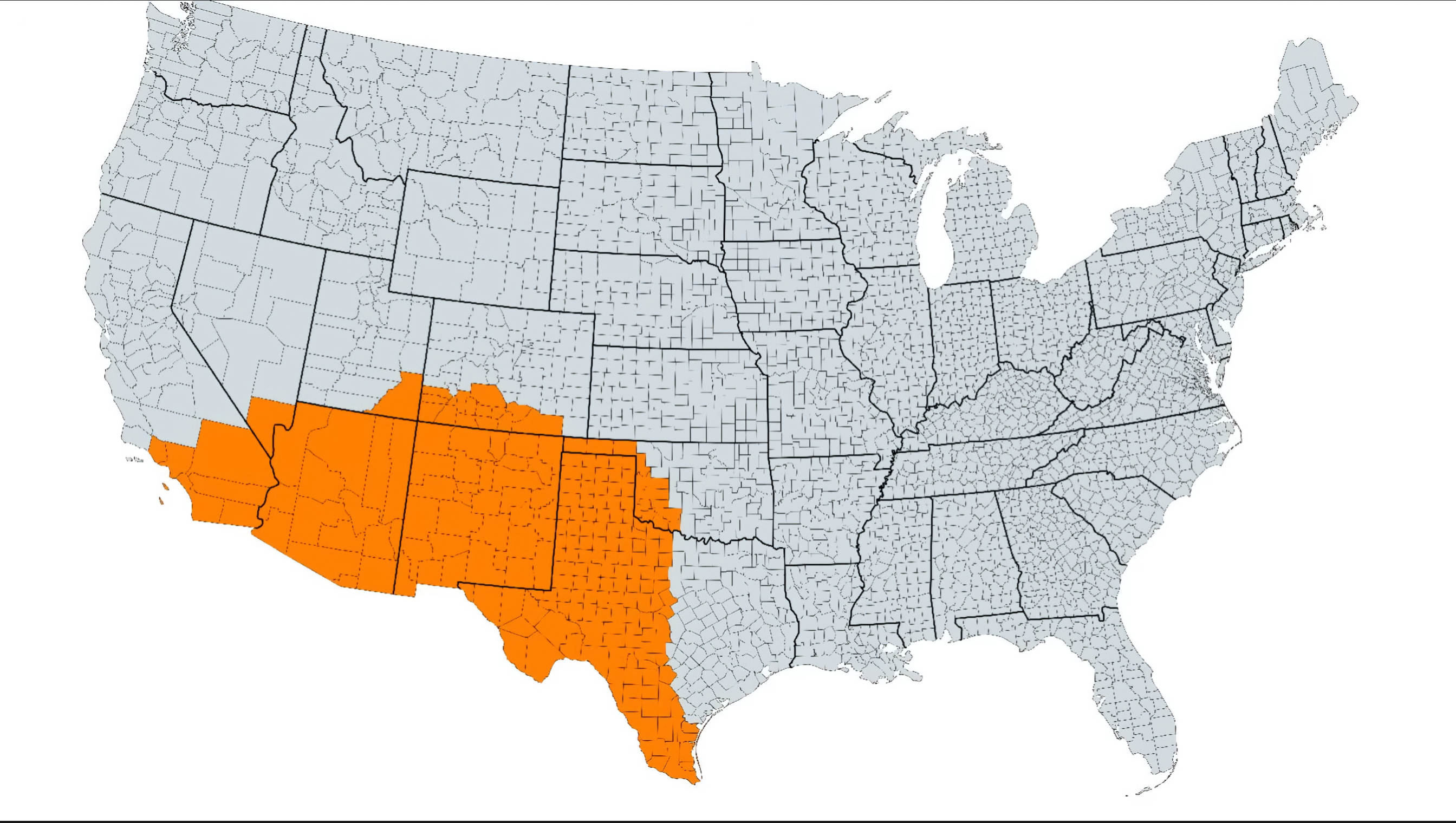
NREL research: where utility regulators require solar incentives (e.g., Hawaii, California), penetration reaches ~5–8%; elsewhere it stays under 0.5%.
-
Hawaii law (2010) mandates solar water heating in new single‑family homes.
-
-
DIY systems and present‑day opportunity (21:35–24:34)
-
Explains batch heater design: black tank in insulated glazed box, thermosiphon connections, materials from hardware stores.
-
Reports performance: 60–80% of annual hot‑water needs in many U.S. climates; minimal maintenance beyond mineral descaling.
-
Notes evacuated‑tube thermosiphon kits for ~$350 total can serve a family of four for ~20 years, vs roughly $9,000 in conventional bills over that span.
-
-
Why it was forgotten and why it matters (24:34–end)
-
Argues the core technology is simple, robust, and unchanged; what changed is utility revenue models and regulatory structures.
-
Frames suppression as arithmetic, not conspiracy: any technology with no recurring charges creates incentives for incumbents to discourage its adoption.
-
Teases next video on ground‑coupled ventilation (earth tubes) by Wolfgang Feist as another “buried” low‑energy system.
-
Timeline of key events (from the video)
-
1891 – Clarence Kemp patents the Climax solar water heater.
-
1909 – William Bailey patents thermosiphon design and founds Day & Night Solar Hot Water Company.
-
1920 – About 4,000 Bailey systems sold in California.
-
1930 – Simple batch heater prices in Florida fall to $10–$15.
-
1941 – Around 1,000,000 U.S. homes have solar water heaters; Miami Beach ~80% penetration.
-
1954–1959 – Florida Gas Transmission pipeline built; gas reaches Miami by 1959.
-
Late 1950s–early 1960s – Below‑cost gas pricing, installer incentives, and marketing campaigns; Florida’s solar‑heater industry effectively disappears by ~1960.
-
1973–1979 – Oil crisis; Carter administration promotes solar, installs White House solar panels and tax credits.
-
1980–1986 – Reagan election; solar tax credits lapse; White House panels removed in 1986; second solar‑thermal wave collapses.
-
1980–1983 – Israel passes and strengthens law requiring solar water heaters in new residential buildings under eight stories.
-
2009 – LBNL cost‑competitiveness study on solar water heating.
-
2010 – Hawaii law requiring solar water heating in new single‑family homes.
-
2021 – Israel at ~90% household penetration; China at ~290 million m² collector area.
Pros and cons of solar‑heated water (thermosiphon / solar thermal)
Pros
-
Very low operating cost
- After installation, systems can eliminate roughly $300–$500/year in water‑heating bills for a typical U.S. family, depending on climate and rates.
-
Simple, robust technology
-
Thermosiphon systems use basic physics (hot water rises, cold falls) and can run with no pumps, electronics, or moving parts.
-
Lifespans of 20–40 years are common, often longer than gas heaters.
-
-
High efficiency
- Flat‑plate collectors with selective coatings can capture ~60–80% of incident solar energy; evacuated tubes work even at very low air temperatures.
-
Environmental benefits
- Reduces fossil‑fuel use and associated emissions; large national programs (Israel, China) displace the equivalent of large power‑plant output.
-
Mature, proven tech
- Historically served ~1 million U.S. homes and now tens of millions of homes abroad (Israel, Cyprus, China, etc.).
Cons / challenges
-
Up‑front cost and space
- Even “cheap” systems require a few hundred to a few thousand dollars up front and suitable roof or yard space with good solar exposure.
-
Climate and freeze protection
- In freezing climates, systems need antifreeze loops, drainback, or freeze‑tolerant designs, adding complexity and sometimes pumps.
-
Integration and aesthetics
- Roof‑mounted tanks/collectors must be integrated without causing leaks, structural issues, or visual objections; poor installs have historically damaged roofs.[moreecological.wordpress]
-
Maintenance and water quality
- Like any heater, systems need occasional descaling where water is hard; collector glazing and seals must be inspected over time.[moreecological.wordpress]
-
Regulatory and utility friction
- Building codes, utility rate structures, and lack of standard incentives can slow adoption even when systems are cost‑effective.
Steps to build a basic solar‑water‑heating system (batch/thermosiphon)
These are conceptual steps; local plumbing, structural, and energy codes must be checked before building.
1. Choose system type and site
-
Decide between:
-
Simple batch heater: black tank in glazed insulated box (cheapest, simplest).
-
Thermosiphon flat‑plate or evacuated‑tube system with separate elevated tank (higher performance).
-
-
Select a south‑facing roof or ground frame with good sun exposure and structural capacity.[moreecological.wordpress]
2. Size the system
-
Rough guide from the video: ~20 ft² collector area and an 80‑gallon tank for a family of four.
-
Adjust for your climate (more area for cloudier or cooler regions) and desired solar fraction.
3. Build or install the collector
-
Batch heater:
- Build an insulated box, inner surfaces and tank painted black; front glazed with glass or polycarbonate; tilt toward the sun.[moreecological.wordpress]
-
Thermosiphon flat‑plate:
- Copper tubing or absorber plates in an insulated, glazed box; selective coating preferred for higher efficiency.
-
Evacuated tubes:
- Mount factory‑made tube array at appropriate tilt; connect header manifold per manufacturer’s instructions.
4. Mount and connect the storage tank
-
For thermosiphon:
-
Mount an insulated storage tank above and behind the collector, securely braced and protected from weather.
-
Connect tank bottom to collector bottom; tank top to collector top, minimizing restrictions so natural circulation works.
-
-
For batch systems:
- The tank itself is the collector; cold feed enters low, hot outlet exits high, with safety valves and isolation valves as required.
5. Plumbing into the domestic system
-
Tie cold supply into the collector/tank cold inlet; route hot outlet to the house’s hot‑water line or to a backup heater inlet, using appropriate valves and mixing valves to prevent scalding.[moreecological.wordpress]
-
Include pressure/temperature relief valves and expansion control per plumbing code.[moreecological.wordpress]
6. Freeze and overheat protection (climate‑dependent)
-
In freezing climates, use:
-
Closed‑loop solar circuit with antifreeze and a heat exchanger into a potable tank, or
-
Drainback design where collectors empty when not in use.earthvilleinstitute+1
-
-
In hot climates, include stagnation/overheat strategies (e.g., shading, heat dump loops, or careful sizing).[earthvilleinstitute]
7. Commissioning and maintenance
-
Fill and purge air; check circulation (in thermosiphon, pipes to/from collector should show a temperature gradient when sun is shining).
-
Inspect annually: connections, glazing, insulation, roof penetrations, and scale buildup; descale tank or piping as needed.[moreecological.wordpress]
If you tell me your target climate (e.g., West Texas vs Upper Midwest), I can refine this into a climate‑specific build/maintenance checklist with columns you can drop straight into a spreadsheet or Obsidian note.
What are the modern systems that are commercially available?
Modern solar water‑heating is sold in a few main system types, with many OG‑300–certified packages built around them.energy+1
Main system types in use
-
Integral collector‑storage (ICS / batch heaters)
-
Glazed box with one or more tanks/pipe runs that both collect sun and store hot water.energystar+1
-
Simple, passive, best for mild climates; many ICS systems appear in the ICC‑SRCC OG‑300 directory.solar-rating+2
-
-
Flat‑plate collector systems (pumped or thermosiphon)
-
Roof‑mounted insulated boxes with dark absorber plates and tubing, sending heat to a separate tank.wbdg+1
-
Available as direct/open‑loop (potable water in collector) or indirect/closed‑loop with antifreeze and heat exchanger.energy+1
-
Widely used OG‑300–certified systems, e.g. SunEarth SolaRay kits combining flat‑plate collectors, storage tank, pump, controller, and heat‑transfer fluid.solarenergyoregon+1
-
-
Evacuated‑tube systems
-
Rows of vacuum glass tubes around absorber fins or heat pipes; higher efficiency and better cold‑weather performance.skanheating.co+1
-
Sold as pumped closed‑loop packages and as thermosiphon roof‑tank kits that need no pumps.mentorwater+1
-
-
Thermosiphon roof‑tank systems (commercial passive kits)
-
Integrated tank‑plus‑collector units mounted on the roof; circulation by natural convection only.skanheating.co+1
-
Examples:
-
Sunbank 40‑gallon solar water heater – evacuated tubes, integrated 40‑gal stainless tank, no pumps; SRCC OG‑300 certified, 10‑year collector warranty.[thesunbank]
-
SunMaxx / ThermoPower VTS 40‑gal and 80‑gal thermosyphon kits – 15 or 30 evacuated tubes with integrated tank, sold as DIY systems for warm climates.siliconsolar+1
-
EcoSmart Thermosiphon / Heat Pipe Passive Solar Water Heater – evacuated‑tube thermosiphon with integrated tank, SRCC‑certified for U.S. incentives.[ecosmartinc]
-
-
How they’re standardized and certified
-
The U.S. Department of Energy and ENERGY STAR describe these same families: ICS, flat‑plate, evacuated‑tube, direct, indirect, thermosiphon, pumped, and drainback systems.energystar+1
-
The ICC‑SRCC OG‑300 program certifies complete systems (collectors plus tanks, controls, pumps) against ICC 901/SRCC 300, and this certification is required or favored for federal tax credits, many state incentives, and code compliance.[solar-rating]
-
You can search the live OG‑300 directory by system type (ICS, pumped, self‑pumped, thermosiphon) and backup heater type (electric, gas, tankless) to see current commercial offerings.[secure.solar-rating]
If you tell me your climate (e.g., Frisco vs Presidio, TX) and whether you prefer passive (no pumps) or high‑performance cold‑weather systems, I can narrow this down to 2–3 concrete product archetypes with pros/cons for your use case.
What would I need for Frisco, Texas, and a cold-weather system that would operate in the occasional freeze and the heat of summer?
For Frisco (hot summers, light but real freezes), you want a freeze‑protected solar water heater, either a closed‑loop (antifreeze) system or a passive thermosiphon with added freeze safeguards.thesunbank+2
Climate and code context for Frisco
-
Frisco averages summer highs in the mid‑90s °F and winter lows in the mid‑30s °F, with 20–30 frost days and typical extremes in the teens (hardiness zone ~8a–8b).plantmaps+2
-
That means: you must design for occasional hard freezes, but not for prolonged sub‑zero conditions; standard U.S. solar‑thermal freeze‑protection methods are appropriate.energy+1
-
Building and plumbing requirements (including service‑water heating efficiency and roof loading) are enforced locally; DOE recommends checking Frisco’s building department for any specific solar‑water‑heating provisions or amendments.tx-frisco.civicplus+1
System type that fits your conditions
For your “occasional freeze + very hot summer” requirement, the two most realistic options are:
-
Closed‑loop, pumped flat‑plate or evacuated‑tube system (indirect)
-
Collectors circulate an antifreeze solution (e.g., propylene glycol) through a roof‑mounted loop and transfer heat via a heat exchanger into a standard insulated tank.wbdg+1
-
Pros: excellent freeze protection, high performance year‑round, flexible plumbing layout.pumpdxb+2
-
Cons: requires a pump, controller, sensors, and a bit more complexity.energy+1
-
-
Passive thermosiphon system with dedicated freeze protection
-
Roof‑mounted integrated tank plus collector (often evacuated tubes) circulating by natural convection only.mentorwater+1
-
Example: Sunbank 40‑gal OG‑300–certified system, which uses evacuated tubes and a 316L stainless tank; manufacturer notes freeze tolerance to about 23°F and requires added freeze protection below that.thesunbank+1
-
In Frisco, where temps do sometimes drop below the mid‑20s °F, you would combine this with insulation, heat‑trace, or freeze‑protection valves on exposed piping.thesunbank+1
-
Either way, aim for:
-
Indirect/closed‑loop or freeze‑tolerant passive design, not a bare direct thermosiphon without protection.iccsafe+2
-
OG‑300–certified package (collector + tank + controls) for easier permitting and incentives.solar-rating+1
Key design features you’d need
-
Collector + storage sizing
- DOE examples and commercial kits suggest ~40–80 gallons storage and roughly 20–40 ft² of collector area for a 2–4‑person household; in high‑insolation areas like North Texas, that typically covers a large fraction of annual hot‑water demand.thesunbank+2
-
Freeze protection strategy
-
Closed‑loop/antifreeze: use propylene‑glycol heat‑transfer fluid in the solar loop and a heat exchanger to the potable tank.iccsafe+2
-
Passive system add‑ons: insulation on all exposed pipes, plus at least one of:
-
Freeze‑protection valves that open around 35°F to bleed a small flow and prevent pipe freezing.[thesunbank]
-
Electric heat‑trace on exposed piping with thermostatic control.[pumpdxb]
-
Design for easy seasonal bypass (you could isolate the solar loop for rare extreme cold snaps if needed).thesunbank+1
-
-
-
Overheat control for summers
-
In Frisco’s hot summers, collectors can stagnate; modern systems manage this via:
-
Controller logic that circulates to dissipate excess heat when the tank is near setpoint.wbdg+1
-
Correct array sizing so you don’t grossly oversize collector area.energy+1
-
For some evacuated‑tube systems, using partial tube arrays or tilt angles that slightly derate peak summer gains.ecosmartinc+1
-
-
-
Roof and plumbing details
-
Ensure your roof can support the dead load of a full storage tank plus collector (a 40‑gal thermosiphon can add 400+ lb in one spot).energy+1
-
Follow ICC and DOE guidance on:
-
Proper roof flashing and structural anchoring.
-
Approved heat exchangers and backflow protection; codes can flag “unacceptable heat exchangers” or “tampering with potable supplies” if not done correctly.energy+1
-
-
A practical configuration for you
For a typical single‑family home in Frisco wanting reliability in freezes and heat:
-
Option A (more robust, a bit more complex)
-
One or two flat‑plate collectors on the roof, in an indirect closed‑loop with glycol.wbdg+1
-
60–80‑gal insulated storage tank with internal or external heat exchanger, feeding either directly to your hot‑water distribution or as a preheat to a conventional gas/electric heater.[wbdg]
-
Pump, controller, sensors, air separator, and expansion tank sized per the kit design (many OG‑300 systems come as turnkey packages).solar-rating+1
-
-
Option B (simpler hardware, more attention to freeze details)
-
OG‑300 thermosiphon evacuated‑tube system (e.g., Sunbank 40 or 80 gal) mounted on the roof.thesunbank+1
-
All supply/return piping in insulated runs, with:
-
At least one SRCC‑approved freeze‑protection valve on the hot return line.[thesunbank]
-
Careful avoidance of long exposed copper/brass in unconditioned spaces, per manufacturer guidance.[thesunbank]
-
-
Both options can work in Frisco’s “occasional hard freeze, very hot summer” context if detailed correctly.
To narrow this to a specific kit size and type, the single most important detail is your household size and typical daily hot‑water use—how many people and whether you’re heavy users (showers, laundry, dishwasher) or light users?
Here are all the citations that appeared in the Frisco, Texas solar hot‑water answer, listed once each.
Video citation
-[youtube]
Web citations
-
– U.S. Department of Energy, “Solar Water Heaters.”[energy]
-
– Frisco, Texas climate data (plantmaps.com).[plantmaps]
-
– Frisco, Texas updated climate data (plantmaps.com variant).[plantmaps]
-
– First/last frost dates for Frisco, Texas.[garden]
-
– NREL paper on pipe freeze prevention for passive solar water heaters.[docs.nrel]
-
– City of Frisco residential energy / code compliance document.[tx-frisco.civicplus]
-
– DOE, “Building Codes and Regulations for Solar Water Heating Systems.”[energy]
-
– ICC “CodeNotes: Solar Water Heating Systems.”[iccsafe]
-
– Whole Building Design Guide, “Solar Water Heating.”[wbdg]
-
– ICC‑SRCC OG‑300 Certification Program description.[solar-rating]
-
– ICC‑SRCC OG‑300 directory of certified solar water‑heating systems.[secure.solar-rating]
-
– Article on protecting solar‑water‑heater pipes from freezing.[pumpdxb]
-
– Overview of solar‑water‑heater system types (includes thermosiphon).[mentorwater]
-
– “Types of solar hot water systems explained” (includes thermosiphon).[skanheating.co]
-
– Sunbank 40‑gallon solar water heater product page.[thesunbank]
-
– EcoSmart (or similar) thermosiphon / heat‑pipe passive solar water heater.[ecosmartinc]
-
– ThermoPower VTS 40‑gal thermosiphon kit.[siliconsolar]
-
– ThermoPower VTS 80‑gal thermosiphon kit.[sunmaxxsolar]
-
– Sunbank “Freeze Protection for Solar Water Heaters” guide.[thesunbank]